

Technical Support
October 20, 2026
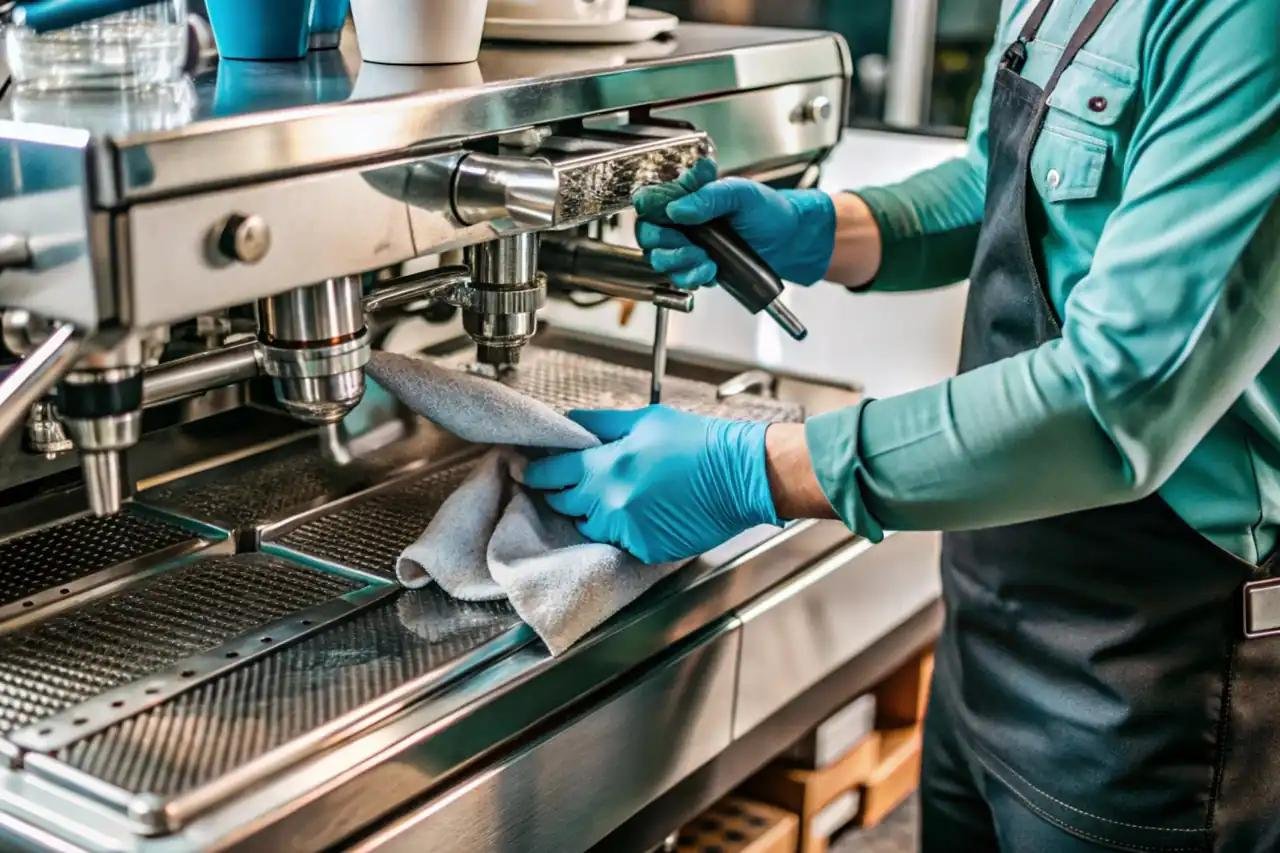
A coffee machine needs regular care to deliver great-tasting coffee and consistent performance. Whether you use a DeLonghi, Sage, Breville, or Jura coffee machine at home, in an office, or in a café, proper maintenance can help prevent common problems and keep the machine working efficiently.
Over time, coffee oils, leftover grounds, and mineral deposits can build up inside the machine. Without proper cleaning, these deposits may affect coffee flavour, water flow, brewing temperature, and overall performance. The good news is that a few simple maintenance habits can make a significant difference.
In this guide, we explain how to maintain your coffee machine, avoid common mistakes, and recognise when professional servicing may be necessary.
Cleaning is one of the easiest ways to maintain a coffee machine. Coffee grounds and natural coffee oils can collect around the brewing components, portafilter, drip tray, and other areas. If left uncleaned, this residue can affect the taste and quality of your coffee.
After preparing coffee, remove used coffee grounds and rinse the portafilter or other removable brewing components according to the manufacturer’s instructions. Empty the drip tray and clean any accessible surfaces where coffee residue has accumulated.
For automatic coffee machines, follow the recommended cleaning cycle and remove washable components only as directed in the user manual.
Maintenance tips:
Empty and rinse the drip tray regularly.
Remove used coffee grounds after brewing.
Clean the portafilter and filter basket after use.
Wipe the exterior with a suitable soft cloth.
Follow the manufacturer’s instructions for internal cleaning.
Consistent cleaning helps maintain coffee flavour and reduces the buildup that can interfere with normal operation.
Keep your coffee machine clean, efficient, and ready for every cup with regular maintenance and expert servicing across the UAE.
+971 58 282 3646
info@coffee-machine-service-center.com
Mineral deposits can accumulate inside a coffee machine as water passes through its internal heating and brewing systems. This buildup is commonly known as limescale.
As deposits increase, they may restrict water flow, affect heating efficiency, or trigger maintenance alerts. The frequency of descaling depends on water hardness, machine usage, and the manufacturer’s recommendations.
In the UAE, water conditions can vary between locations and properties. If you use filtered or bottled water, it is still important to follow the maintenance guidance for your specific machine.
How to descale your machine:
Check the manufacturer’s descaling instructions.
Use a compatible descaling product recommended for your machine.
Follow the specified preparation and cleaning cycle.
Rinse the machine as directed to remove any remaining solution.
Reset the maintenance reminder if the manufacturer requires it.
Avoid using vinegar or household cleaning chemicals unless the manufacturer explicitly approves them. Unsuitable products may damage internal components or leave unwanted residue.
Water quality affects both the taste of your coffee and the condition of your machine. Water containing high levels of minerals can contribute to limescale, while unsuitable water may also affect the flavour of your espresso.
Check your coffee machine’s manual for the recommended water quality and filtration requirements. If your machine includes a compatible water filter, replace it according to the manufacturer’s schedule.
Using filtered water does not always eliminate the need for descaling. The correct maintenance schedule still depends on the water used and the machine’s instructions.
For coffee machine owners in Dubai, Sharjah, and Abu Dhabi, paying attention to water quality can be an important part of routine maintenance.
If your coffee machine has a built-in grinder, its condition can directly influence the consistency of your coffee. Coffee particles and oils may accumulate around the grinding mechanism, potentially affecting grinding performance.
If the grinder becomes noisy, struggles to grind beans, or produces inconsistent results, check the user manual for the recommended cleaning procedure.
To care for your grinder:
Use coffee beans suitable for your machine.
Clean accessible grinder areas as instructed.
Avoid introducing water into components that are not designed to be washed.
Do not force jammed or obstructed grinder parts.
Seek professional assessment if unusual noises or persistent grinding problems occur.
Never disassemble internal grinder components unless you are qualified and the manufacturer permits it. Incorrect handling may damage the mechanism.
Coffee machines used to prepare cappuccinos, lattes, and other milk-based drinks need additional cleaning. Milk residue can collect in the steam wand, milk tubing, and frothing components if they are not cleaned promptly.
Over time, dried milk can obstruct the milk system, reduce frothing quality, and create hygiene concerns.
After preparing a milk-based drink, follow the manufacturer’s instructions to purge and wipe the steam wand or run the appropriate milk-system cleaning cycle.
For machines with automatic milk systems, use the recommended cleaning products and procedure.
Regular milk-system cleaning helps maintain proper milk flow, consistent frothing, and hygienic operation.
Modern coffee machines often display warning lights, maintenance reminders, or error messages when a particular action is required or a fault is detected.
These indicators should not be ignored. Some may simply mean that the machine needs descaling, cleaning, or an empty drip tray. Others may indicate a technical problem that requires further investigation.
When a warning appears, consult the user manual to understand its meaning and follow the recommended procedure.
If the machine continues to display an error after the appropriate maintenance has been completed, professional diagnostics may be necessary. Avoid repeatedly resetting the machine without identifying the cause of the warning.
Water leaks should be addressed promptly because they may indicate a damaged seal, a loose connection, an overflowing drip tray, or an internal fault.
Check that the water reservoir is positioned correctly and that removable components are installed according to the instructions. Empty the drip tray regularly and inspect accessible areas for unusual water accumulation.
If water continues to leak, avoid opening the machine to investigate internal components yourself.
Important: If water reaches electrical components, unplug the machine only if it is safe to do so. Do not operate it again until the problem has been assessed.
Professional inspection can help identify the source of persistent leaks and determine the appropriate repair.
A simple maintenance routine makes it easier to keep your coffee machine in good condition. The exact schedule varies by brand, model, and frequency of use, so always follow the manufacturer’s instructions.
A general routine may look like this:
After each use: Remove used grounds, clean the portafilter where applicable, and wipe milk-contact surfaces.
Daily: Empty the drip tray and clean accessible areas that collect coffee or milk residue.
Weekly: Clean removable components and perform the recommended cleaning tasks for your machine.
As indicated by the machine: Run descaling, filter replacement, or other maintenance programmes according to the manufacturer’s instructions.
Periodically: Arrange professional servicing if usage is heavy or persistent performance issues develop.
Commercial machines used in cafés or busy offices may need more frequent attention than machines used occasionally at home.
Even well-maintained coffee machines can develop problems when cleaning procedures are not followed correctly. Avoid these common mistakes to help protect your equipment.
Using unsuitable cleaning products: Household chemicals or unapproved descalers may damage machine components.
Ignoring maintenance reminders: Delaying recommended cleaning or descaling can allow deposits to accumulate.
Washing non-removable electrical components: Water entering sensitive parts can cause serious damage.
Forcing blocked components: Applying excessive force to a grinder, brewing unit, or removable part may cause further problems.
Ignoring unusual sounds: New or persistent noises can indicate a blockage, wear, or a mechanical issue.
Following the manufacturer’s instructions is generally the safest way to maintain your coffee machine.
Routine cleaning can resolve many maintenance-related issues, but some faults require specialist attention. Internal electrical problems, persistent water leaks, heating failures, pump faults, and recurring error messages may need professional diagnosis.
Consider arranging a service if you notice:
Coffee taking unusually long to brew.
Water flow becoming weak or inconsistent.
The machine failing to reach the expected temperature.
Repeated error messages despite following maintenance instructions.
Grinder or pump noises that were not present before.
Milk frothing problems that persist after cleaning.
Leaks that continue after checking removable components.
A professional assessment can help determine whether your machine needs cleaning, adjustment, replacement components, or a more extensive repair.
Different coffee machine brands have different cleaning requirements and internal designs. Always use the procedures specified for your model.
DeLonghi Coffee Machines: Keep removable brewing components clean and follow the machine’s descaling and maintenance alerts.
Sage Coffee Machines: Pay attention to portafilter cleanliness, grinder care, brewing-system cleaning, and steam wand maintenance where applicable.
Breville Coffee Machines: Follow the recommended cleaning cycles and care for the grinder, filter basket, and milk system according to the model.
Jura Coffee Machines: Use the machine’s designated cleaning and descaling programmes and follow its guidance for milk-system hygiene and filter maintenance.
If a problem persists after completing the recommended maintenance, arrange an assessment rather than attempting an unfamiliar internal repair.
Maintaining your coffee machine does not need to be complicated. Regular cleaning, appropriate descaling, suitable water, grinder care, and prompt attention to warning messages can help preserve coffee quality and support reliable operation.
However, routine maintenance cannot prevent every mechanical or electrical fault. If your machine develops persistent problems, professional servicing can help identify the cause and determine the right solution.
If you need coffee machine repair or maintenance in Dubai, Sharjah, or Abu Dhabi, contact our team to discuss your machine, its symptoms, and the service it may require.
Keep your coffee machine in good condition and enjoy a better coffee experience with the right maintenance routine.